
The Risks and Outcomes of a Penile Implant
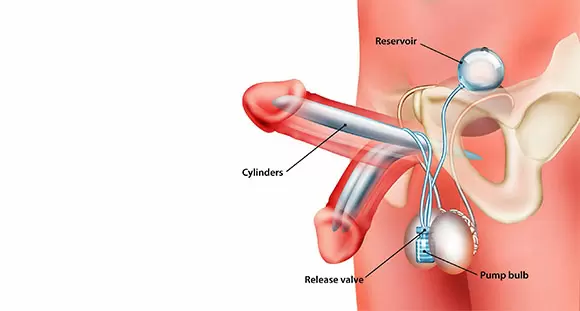
For men with erectile dysfunction (ED) who have been unsuccessful with other treatments, like medications or vacuum pumps, penile implants are an established and highly effective intervention. Penile implants provide a permanent, reliable means of achieving sexual function but, as with any surgical procedures, potential risks and side effects exist. This can help patients make an informed decision about the process as well as take the necessary steps to minimize complications.
What Are the Side Effects of Surgery in the Short Term?
In the months immediately following penile implant surgery, your body will heal, and you may experience temporary side effects. There are a few examples of such short-term effects:
- Pain and Swelling
Pain and swelling are normal post-surgery and can usually be controlled with prescribed pain relievers and anti-inflammatories. Most patients see a dramatic improvement in a few weeks.
2. No Mark or Bruise, Or Bruising or Temporary Discoloration
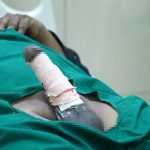
Bruising around the surgical site, including the penis and scrotum, is a common part of the healing process. The discoloration tends to go away in a few weeks as the body heals.
3. Infection Risk
Though rare due to modern surgical techniques and antibiotic protocols, infections can develop. People with diabetes or compromised immune systems are at a slightly increased risk. Infection may need additional treatment such as antibiotic therapy or removal of the implant in serious cases.
4. Kegel Exercises заменил temporary difficulty urinating
Some patients finding the urination right after surgery difficult, because the urinary tract swells or changes temporarily after the surgery. This usually settles after a couple of days as the body acclimatises.
Side Effects Years After Surgery
Here are some common penile implant questions and answers, based on one well-respected urologic practice based in California: Penile implants are a long-term option for erectile dysfunction.
- Implant Malfunction
Mechanical failure of the implant is also rare but noted to occur in inflatable models. Over time, some elements of the implant could become dislodged or leak, and may require revision surgery to remove or replace the device.
2. Auto-Inflation
In the course of using the implant, some men may get unintended erections because of fluid shifting from one ball to another that is implanted. Although rare, persistent cases can be fixed with minor surgical corrections.
3. Erosion or Tissue Damage
Seldom, the implant may compress nearby tissues, causing discomfort or eroding into nearby structures. If this happens, corrective surgery may need to be performed.
4. Reduced Sensation
Only a small percentage of men experience a decrease in penile sensitivity following implant surgery. This wouldn’t have an adverse effect on the ability to get an erection but the sex could feel different.
Limiting Risks and Enhancing Outcomes
Here are some things to consider to ensure the best outcome and lowest risk of complications:
Select an Experienced Surgeon: An experienced surgeon who has performed numerous penile implant procedures can minimize the chances of complications.
Follow Post-Operative Care Instructions: Following the instructions given by surgeons regarding rest, cleanliness, and activity level can facilitate proper healing and lower infection chances.
Healthy Living: Control of underlying medical conditions like diabetes as well as leading a healthy lifestyle helps to improve surgical results.
Follow-ups: Regular follow-ups with your doctor can catch and fix any practicable problems before they become serious.
Conclusion
While there are potential short-term and long-term side effects, penile implants have been shown over the years to continue to be a highly effective and satisfying option for men with severe ED. Most complications are rare and manageable, and patient satisfaction rates are high. In addition, by choosing an experienced surgeon and adhering to proper post-operative care, these men can expect to return to full sexual function with minimal risk and enjoy improved quality of life. Penile implants side effects: what to expect
Penile implants are the proven weapon in the war against a flaccid penis that is easily won as well as a highly effective option for men with erectile dysfunction (ED) when other options, such as medications or vacuum pumps, have failed. Penile implants provide a permanent and reliable method to restore sexual function, but like any surgical procedure, they have potential risks and side effects involved. Awareness of these risks allows patients to make an informed choice and take steps to reduce complications.
Early Postoperative Effects
For example, the first few weeks after penile implant surgery, patients may notice temporary side effects as their body is healing. For example, these short-term effects include:
- Pain and Swelling
Pain and swelling are normal after surgery and are easily controlled by medication, including prescribed pain relievers and anti-inflammatories. Most patients get much better within weeks.
2. Bruising or Dark SadnessDiscoloration
Bruising circumferentially around the surgical site, including the penis and scrotum, is a routine part of the healing process. Usually, the discoloration recedes within a couple of weeks as the body heals.
3. Infection Risk
Infections can happen, although they are rare due to modern surgical techniques and antibiotic protocols. People with diabetes or a weakened immune system are slightly more at risk. Infections may need further management, such as additional antibiotic therapy or implant explantation in severe cases.
- Trouble Urinating Temporarily
Some patients have trouble peeing immediately following a surgery because of swelling or temporary changes to the urinary tract. This problem usually resolves itself within a few days, as the body accommodates.
Chronic Side Effects After Surgery
Although the majority of patients find long-term success through penile implants, some complications may develop as time goes on.
- Implant Malfunction
It’s rare, but mechanical failure of the implant can happen, especially with inflatable models. Similar to others, elements of the implant can deteriorate or break down over time, needing revision surgery to either replace or fix the device.
2. Auto-Inflation
Individuals may describe unplanned erections as fluid shifts during the implant. This is unusual, but it can be modified with minor surgical adjustments if persistent.
3. Erosion or Tissue Damage
On rare occasions, the implant can compress adjacent tissues or erode into adjacent structures, causing pain. If this happens, corrective surgery could be required.
4. Reduced Sensation
A small percentage of men experience a decrease in penile sensitivity after undergoing implant surgery. It may change the sexual experience, though this does not interfere with the ability to have erections.
Risk Mitigation and Outcome Enhancement
To maximize the chances of getting the best possible outcome and reduce your risk of complications, consider:
2. ~ Select a Seasoned Surgeon: A surgeon who specializes in penile implant surgery and is well-versed in this area can greatly minimize the chances of complications.
Continue with Post-Operative Care Details: Following medical guidelines related to rest, hygiene, and activity levels can provide the body with an all-important chance to heal properly while minimizing risks of infection.
Control General Health: Keeping diseases at bay such as diabetes and living a healthy lifestyle can help surgical outcomes.
Have Regular Follow Ups – Going to your doctor for regular check-ups can catch any potential problems early on.
Conclusion
Despite the risks of both short- and long-term side effects, penile implants are one of the most successful and satisfying solutions for men with severe ED. Most complications are uncommon and manageable, and satisfaction rates remain high. Men who choose their surgeon wisely and adhere to post-surgical protocols will be able to experience a return of sexual ability and quality of life with almost no risk.
If you are considering a penile implant, it is important to consult your healthcare provider to discuss your individual risk and benefits. If you are doing it in the right way, this process can bring monumental change in the life of incorrect erectile dysfunction patients.
People should speak with a healthcare professional about the individual risks and benefits of a penile implant if considering this treatment. When properly used, this procedure offers a critical solution for those experiencing acute impotence.